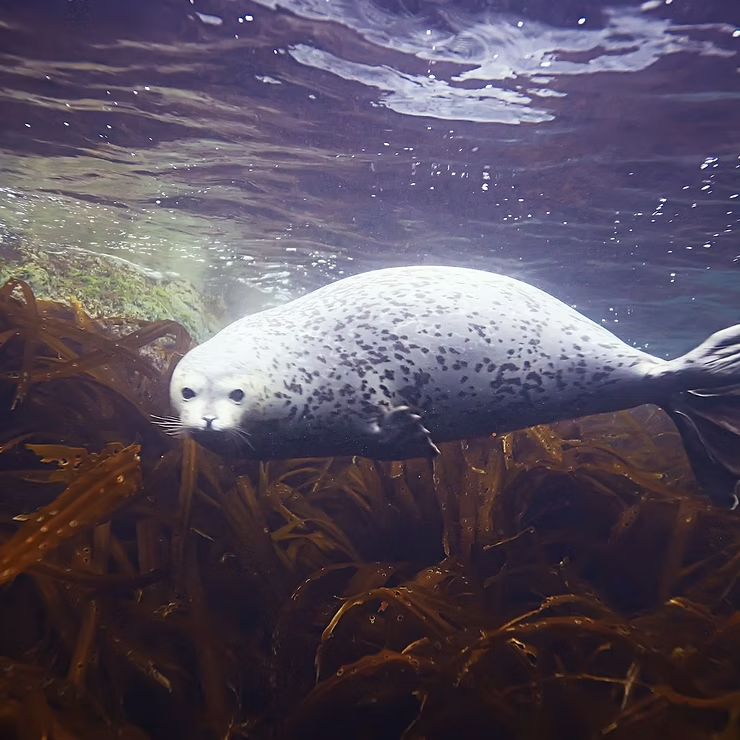
Marine Animal Rescue and Rehabilitation: A Beacon of Hope
Marine animal rescue and rehabilitation represents one of the most inspiring and impactful conservation efforts in our ongoing relationship with the ocean. These initiatives bring together dedicated professionals, volunteers, and organizations to address the growing threats facing marine species—from manatees and sea turtles to dolphins and whales. Through coordinated rescue operations, specialized medical care, and comprehensive rehabilitation programs, these efforts not only save individual animals but contribute significantly to species conservation, public education, and our broader understanding of marine ecosystems. Each successful release back into the wild symbolizes both the resilience of marine life and humanity’s capacity for positive environmental stewardship.
The Critical Need for Marine Animal Rescue
Multiple factors have increased the urgency for marine animal rescue efforts worldwide.
Anthropogenic Threats
Human activities pose significant dangers to marine life:
• Vessel strikes: Collisions with boats and ships cause severe injuries
• Fishing gear entanglement: Lost or abandoned fishing equipment traps marine animals
• Pollution: Plastic ingestion and chemical contamination affect health
• Habitat degradation: Coastal development and climate change impact critical habitats
Natural Challenges
Environmental factors also threaten marine species:
• Red tide events: Harmful algal blooms cause mass mortality
• Cold stress: Unexpected temperature drops can be fatal for species like manatees
• Disease outbreaks: Natural pathogens can devastate populations
• Stranding events: Animals may become disoriented and beach themselves
Conservation Status Concerns
Many marine species face precarious situations:
• Endangered species: Animals like North Atlantic right whales number fewer than 350 individuals
• Population declines: Some species have experienced dramatic reductions in numbers
• Genetic diversity: Small population sizes threaten long-term viability
• Ecosystem roles: Loss of key species disrupts marine food webs
Rescue Operations and Response
Successful marine animal rescue requires coordinated efforts and specialized techniques.
Stranding Response Networks
Organized systems for addressing marine animal emergencies:
• 24/7 hotlines: Public reporting systems for distressed animals
• Trained responders: Teams ready to deploy to stranding locations
• Specialized equipment: Customized gear for animal stabilization and transport
• Interagency coordination: Collaboration between multiple organizations
Rescue Techniques
Methods for assisting different marine species:
• Large whale disentanglement: Carefully cutting free entangled whales
• Manatee rescue: Using capture nets and custom stretchers
• Sea turtle response: Stabilizing and transporting debilitated turtles
• Dolphin rescue: Specialized approaches for small cetaceans
Initial Assessment and Stabilization
Critical first steps in rescue operations:
• Health evaluation: Assessing injuries and overall condition
• Emergency care: Providing fluids, temperature regulation, and basic treatment
• Transport preparation: Ensuring safe movement to rehabilitation facilities
• Data collection: Documenting circumstances and initial findings
Rehabilitation Process and Facilities
Marine animal rehabilitation involves specialized care through multiple stages.
Medical Treatment
Comprehensive veterinary care for rescued animals:
• Diagnostic imaging: X-rays, ultrasound, and other technologies
• Wound management: Treating injuries from entanglements or boat strikes
• Medication administration: Antibiotics, antifungals, and supportive care
• Surgical procedures: Addressing serious injuries when necessary
Nutritional Support
Meeting the dietary needs of recovering animals:
• Species-specific diets: Customized nutrition plans
• Tube feeding: For animals unable to eat independently
• Transition to self-feeding: Encouraging natural foraging behaviors
• Weight monitoring: Tracking progress and adjusting diets accordingly
Habitat and Environmental Needs
Creating appropriate recovery environments:
• Pool systems: Sized appropriately for different species
• Water quality management: Maintaining proper temperature and chemistry
• Environmental enrichment: Providing mental stimulation
• Social considerations: Housing animals appropriately for their species
Key Species in Rescue and Rehabilitation
Different marine animals present unique challenges and considerations.
Manatees
Florida’s iconic marine mammals require specialized care:
• Cold stress syndrome: Treatment for temperature-related illness
• Orphan care: Raising and rehabilitating young manatees
• Red tide exposure: Addressing toxin-related health issues
• Long-term rehabilitation: Some manatees require years of care
Sea Turtles
Multiple turtle species benefit from rehabilitation:
• Fibropapillomatosis: Treating tumor-causing virus in green turtles
• Debilitation syndrome: Addressing multiple health issues
• Plastic ingestion: Removing foreign materials from digestive systems
• Boat strike injuries: Repairing shell damage and internal injuries
Cetaceans
Dolphins and whales present complex rehabilitation challenges:
• Pneumonia treatment: Addressing respiratory infections
• Social needs: Considering the highly social nature of cetaceans
• Pool requirements: Needing large, deep pools for appropriate care
• Release considerations: Ensuring successful reintegration to wild groups
Release and Post-Release Monitoring
Successful return to the wild represents the ultimate goal of rehabilitation.
Release Criteria
Determining when animals are ready for return:
• Health status: Complete recovery from injuries or illness
• Behavioral readiness: Demonstrating natural behaviors
• Physical condition: Achieving appropriate weight and strength
• Environmental factors: Releasing during appropriate seasons and conditions
Release Techniques
Methods for returning animals to the wild:
• Beach releases: For sea turtles and some marine mammals
• Offshore releases: Using boats to transport animals to suitable habitats
• Soft releases: Gradual acclimation to wild conditions
• Group releases: Returning social animals together when possible
Post-Release Monitoring
Tracking animals after return to the wild:
• Satellite tagging: Following movements and migration patterns
• Visual resighting: Identifying individuals through natural markings
• Data collection: Gathering information on survival and behavior
• Success evaluation: Assessing long-term rehabilitation outcomes
Conservation Impact and Education
Rescue and rehabilitation efforts contribute significantly to broader conservation goals.
Research Contributions
Advancing scientific understanding through rehabilitation:
• Medical knowledge: Developing treatments for marine species
• Biological insights: Learning about physiology and life history
• Threat documentation: Recording human impacts on marine life
• Technological development: Creating new tools for rescue and monitoring
Public Education and Engagement
Connecting people with marine conservation:
• Visitor experiences: Educational programs at rehabilitation facilities
• Social media outreach: Sharing rescue stories with global audiences
• Volunteer opportunities: Engaging communities in hands-on conservation
• School programs: Educating future generations about ocean stewardship
Policy Influence
Informing conservation policies and regulations:
• Fisheries management: Providing data on bycatch and entanglement
• Vessel regulation: Supporting speed restrictions in critical habitats
• Habitat protection: Identifying areas needing conservation attention
• Pollution reduction: Demonstrating impacts of marine debris
Challenges and Future Directions
Marine animal rescue faces ongoing challenges and evolving needs.
Resource Limitations
Addressing constraints on rescue efforts:
• Funding needs: Securing financial support for expensive rehabilitation
• Personnel requirements: Training and retaining specialized staff
• Facility capacity: Expanding to meet increasing demand
• Equipment costs: Maintaining specialized rescue and medical equipment
Climate Change Impacts
Responding to new challenges from environmental change:
• Range shifts: Animals appearing in new areas without response infrastructure
• Disease changes: New health threats emerging from warming waters
• Extreme weather: Increasing stranding events after storms
• Habitat alteration: Loss of critical rehabilitation release sites
Innovation and Adaptation
Developing new approaches for future challenges:
• Medical advances: Creating new treatments for marine species
• Technology integration: Using drones, AI, and other technologies
• Network expansion: Building response capacity in underserved regions
• Preventive approaches: Reducing threats before rescues are needed