Empowering Individual Action for Marine Conservation
Marine conservation represents one of our most pressing environmental challenges, yet many people feel powerless to make meaningful contributions. The truth is that individual actions collectively create powerful currents of change. From hands-on beach cleanups to informed consumer choices and policy advocacy, every person possesses multiple pathways to contribute to ocean protection. This guide explores practical, impactful ways individuals can participate in marine conservation, demonstrating how personal actions connect to global solutions and empower citizens to become effective stewards of our blue planet.
Direct Action: Beach and Coastal Cleanups
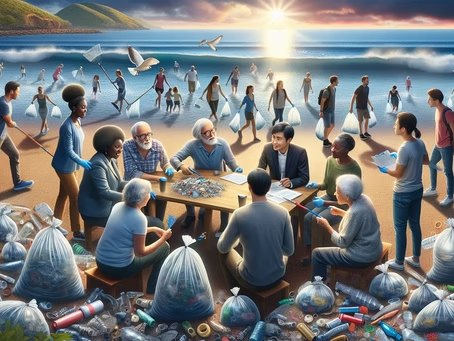
Coastal cleanups represent one of the most accessible and visible forms of marine conservation action.
The Critical Importance of Cleanups
Beach cleanups deliver multiple conservation benefits:
• Immediate impact: Direct removal of harmful debris from marine environments
• Data collection: Documentation of pollution types and sources through organized efforts
• Community engagement: Raising awareness and building conservation ethic among participants
• Prevention: Stopping plastics from fragmenting into more dangerous microplastics
Organizing Effective Cleanup Events
Successful cleanup events require careful planning:
• Site selection: Choosing areas with significant accumulation and ecological sensitivity
• Safety planning: Providing gloves, proper footwear, and hazard awareness
• Waste management: Coordinating proper disposal and recycling of collected materials
• Data recording: Using standardized forms to document findings for research purposes
Maximizing Impact Beyond the Cleanup
Transform cleanups into broader conservation opportunities:
• Educational components: Incorporating information about marine ecosystems and pollution sources
• Media engagement: Sharing results to raise broader community awareness
• Policy connections: Using collected data to advocate for waste reduction policies
• Ongoing engagement: Converting one-time participants into long-term ocean advocates
Citizen Science and Marine Research
Public participation in scientific research has become increasingly valuable in marine conservation.
Understanding Citizen Science
Citizen science involves public participation in scientific research:
• Data collection: Volunteers gather information using standardized protocols
• Species monitoring: Tracking marine life populations and distributions
• Environmental monitoring: Recording water quality, pollution, and habitat conditions
• Digital platforms: Online tools that enable participation from anywhere
Major Marine Citizen Science Programs
Notable programs offering public participation:
• Coral reef monitoring: Programs like Reef Check train divers to assess reef health
• Marine mammal tracking: Reporting sightings of whales, dolphins, and seals
• Coastal bird surveys: Monitoring shorebird populations and nesting activities
• Plastic pollution tracking: Documenting and mapping marine debris
Contributing to Scientific Knowledge
Citizen science creates valuable research outcomes:
• Expanded coverage: Data from areas scientists cannot regularly access
• Long-term datasets: Continuous monitoring over extended periods
• Policy influence: Evidence supporting conservation measures and regulations
• Educational value: Participants deepen their understanding of marine science
Sustainable Seafood Choices
Consumer decisions about seafood have significant impacts on marine ecosystems.
Understanding Sustainable Seafood
Key concepts in seafood sustainability:
• Population status: Choosing species with healthy population levels
• Fishing methods: Selecting seafood caught with minimal ecosystem impact
• Aquaculture practices: Supporting responsibly farmed seafood operations
• Local sourcing: Reducing transportation impacts and supporting local economies
Practical Guidance for Consumers
Tools and resources for making informed choices:
• Seafood guides: Region-specific recommendations from organizations like Monterey Bay Aquarium
• Certification programs: Looking for MSC, ASC, or other sustainability certifications
• Traceability: Asking retailers about seafood origins and harvesting methods
• Seasonality: Understanding when different species are most sustainable
Beyond Individual Choices
Expanding impact through broader engagement:
• Restaurant advocacy: Asking establishments about their seafood sourcing
• Market transformation: Supporting businesses committed to sustainable seafood
• Policy support: Advocating for better fisheries management and monitoring
• Education: Sharing information with friends and family about sustainable choices
Policy Advocacy and Political Engagement
Influencing policy represents one of the most powerful ways to create systemic change.
Understanding Marine Policy
Key policy areas affecting marine conservation:
• Fisheries management: Regulations governing catch limits and fishing methods
• Marine protected areas: Designation and management of ocean sanctuaries
• Pollution control: Laws regulating plastic production, agricultural runoff, and other pollutants
• Climate policy: Addressing ocean acidification, sea level rise, and warming
Effective Advocacy Strategies
Approaches for influencing policy decisions:
• Personal communication: Meeting with or writing to elected representatives
• Public comments: Participating in official policy review processes
• Coalition building: Joining with organizations working on similar issues
• Media engagement: Writing letters to editors or social media advocacy
Staying Informed and Engaged
Maintaining effective long-term advocacy:
• Policy tracking: Following relevant legislation and regulatory changes
• Scientific literacy: Understanding the research supporting conservation measures
• Strategic timing: Engaging at critical points in policy development processes
• Relationship building: Developing ongoing connections with decision-makers
Reducing Plastic Consumption
Addressing plastic pollution requires both individual action and systemic change.
Personal Plastic Reduction
Effective strategies for reducing plastic use:
• Reusable alternatives: Substituting single-use items with durable options
• Conscious consumption: Considering packaging before purchasing products
• Proper disposal: Ensuring plastics don’t escape waste management systems
• Microplastic awareness: Understanding sources of microscopic plastic pollution
Community-Level Action
Expanding impact beyond individual choices:
• Local advocacy: Supporting municipal plastic reduction ordinances
• Business engagement: Encouraging retailers to reduce plastic packaging
• Clean water advocacy: Supporting improved wastewater filtration systems
• Education programs: Teaching others about plastic pollution impacts
Supporting Broader Solutions
Advocating for systemic changes to plastic pollution:
• Extended producer responsibility: Policies making manufacturers responsible for waste
• Circular economy: Supporting systems that eliminate waste through design
• Innovation support: Encouraging development of alternative materials
• International agreements: Backing global efforts to address marine plastic
Climate Action for Ocean Health
Addressing climate change is essential for marine conservation.
Ocean-Climate Connections
Understanding how climate change affects marine ecosystems:
• Ocean acidification: Changing chemistry affecting shell-forming organisms
• Warming waters: Species distribution changes and coral bleaching
• Sea level rise: Impacts on coastal habitats and communities
• Extreme weather: Increasing intensity of storms affecting marine environments
Personal Climate Action
Individual contributions to addressing climate change:
• Carbon footprint reduction: Energy conservation and transportation choices
• Dietary choices: Reducing meat consumption and food waste
• Consumer decisions: Supporting companies with strong climate policies
• Energy advocacy: Supporting transition to renewable energy sources
Collective Climate Solutions
Participating in broader climate action efforts:
• Policy support: Advocating for climate-friendly policies at all levels
• Community initiatives: Participating in local climate action planning
• Movement building: Joining climate organizations and demonstrations
• Ocean-specific advocacy: Ensuring oceans are included in climate policies
Education and Awareness Building
Spreading knowledge about marine issues multiplies conservation impact.
Personal Education
Developing your own understanding of marine conservation:
• Scientific literacy: Learning about marine ecology and conservation science
• Current issues: Staying informed about emerging threats and solutions
• Local knowledge: Understanding regional marine ecosystems and challenges
• Skill development: Building capabilities to contribute more effectively
Sharing Knowledge with Others
Effective strategies for raising awareness:
• Social media: Sharing credible information and personal experiences
• Community events: Organizing or participating in educational activities
• Youth education: Engaging children and students in marine learning
• Art and storytelling: Using creative approaches to communicate issues
Building Conservation Community
Creating networks of ocean advocates:
• Local groups: Forming or joining community conservation organizations
• Professional networks: Connecting with others in conservation fields
• Online communities: Participating in digital platforms for ocean advocates
• Intergenerational exchange: Learning from elders and mentoring newcomers
Financial Support for Conservation
Financial contributions can significantly advance marine conservation efforts.
Effective Philanthropy
Strategies for maximizing conservation impact through giving:
• Research: Identifying effective organizations with proven track records
• Strategic focus: Concentrating support on specific issues or regions
• Diversified support: Contributing to different types of organizations
• Sustained funding: Providing reliable support over multiple years
Beyond Monetary Donations
Additional ways to provide financial support:
• Workplace giving: Participating in employer matching programs
• Fundraising: Organizing events to generate support for conservation groups
• Legacy giving: Including conservation in estate planning
• Advocacy: Supporting government funding for marine conservation
Ensuring Impact
Evaluating conservation organizations and initiatives:
• Transparency: Reviewing financial disclosures and annual reports
• Effectiveness: Assessing evidence of conservation outcomes
• Efficiency: Considering administrative costs versus program spending
• Alignment: Supporting organizations whose approaches match your values