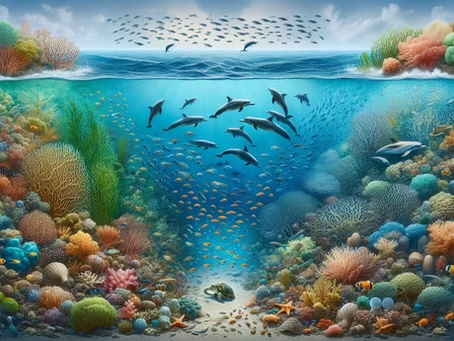
The Critical Importance of Ocean Biodiversity
Ocean biodiversity represents the foundation of healthy marine ecosystems and the life support system of our planet. The incredible variety of marine species and habitats creates complex, interconnected systems that provide essential services including oxygen production, climate regulation, food security, and economic stability. This biological diversity enables marine ecosystems to withstand environmental changes, recover from disturbances, and maintain their functional integrity. As human activities increasingly threaten marine life through pollution, overfishing, habitat destruction, and climate change, preserving ocean biodiversity has become an urgent global priority essential for both environmental health and human wellbeing.
Understanding Marine Biodiversity
Ocean biodiversity encompasses the spectacular variety of life in marine environments, from microscopic plankton to the largest whales.
Levels of Biodiversity
Marine biodiversity operates at multiple interconnected levels:
• Genetic diversity: Variation within species that enables adaptation
• Species diversity: Variety of different marine organisms
• Ecosystem diversity: Range of marine habitats and communities
• Functional diversity: Variety of ecological roles and processes
Global Distribution Patterns
Marine life is distributed unevenly across ocean regions:
• Coral reef systems: Support approximately 25% of marine species
• Deep-sea environments: Contain unique adaptations to extreme conditions
• Coastal ecosystems: Mangroves, seagrasses, and salt marshes provide critical habitat
• Open ocean: Pelagic species migrate across vast distances
Keystone Species and Ecological Roles
Certain species play disproportionately important roles:
• Foundation species: Create habitat structure (corals, kelp, oysters)
• Predator controllers: Regulate prey populations and food webs
• Ecosystem engineers: Modify environments to benefit other species
• Nutrient cyclers: Facilitate movement of essential elements through systems
Ecosystem Services Provided by Marine Biodiversity
Healthy marine ecosystems deliver invaluable benefits to humanity and the planet.
Regulating Services
Ocean ecosystems maintain essential planetary processes:
• Climate regulation: Oceans absorb 30% of CO2 emissions and 90% of excess heat
• Oxygen production: Marine phytoplankton generate 50-80% of Earth’s oxygen
• Nutrient cycling: Marine organisms facilitate global biogeochemical cycles
• Waste treatment: Coastal ecosystems filter pollutants and improve water quality
Provisioning Services
Oceans provide essential resources for human societies:
• Food security: Fish provide 20% of animal protein for 3 billion people
• Medical resources: Marine organisms provide compounds for pharmaceuticals
• Raw materials: Sources for cosmetics, industrial products, and biotechnology
• Genetic resources: Marine biodiversity represents a library of biological solutions
Cultural Services
Marine environments enrich human experience and wellbeing:
• Recreation and tourism: Coastal tourism represents a major global industry
• Spiritual and aesthetic value: Oceans inspire art, culture, and spiritual practices
• Educational opportunities: Marine environments serve as living laboratories
• Scientific discovery: Oceans continue to reveal new species and phenomena
Major Threats to Ocean Biodiversity
Human activities are causing unprecedented declines in marine biodiversity worldwide.
Climate Change Impacts
Rapid environmental changes threaten marine ecosystems:
• Ocean warming: Species distribution shifts and metabolic stress
• Acidification: Reduced calcification affecting corals and shellfish
• Sea level rise: Coastal habitat loss and ecosystem modification
• Extreme weather: Increased frequency and intensity of damaging events
Pollution Pressures
Multiple pollution sources degrade marine environments:
• Plastic pollution: Microplastics infiltrate food webs and habitats
• Nutrient runoff: Causes eutrophication and dead zones
• Toxic chemicals: Industrial and agricultural contaminants accumulate
• Noise pollution: Disrupts marine animal communication and behavior
Direct Exploitation
Unsustainable resource use depletes marine populations:
• Overfishing: 34% of fish stocks are overfished globally
• Bycatch: Non-target species mortality in fishing operations
• Destructive practices: Bottom trawling and blast fishing damage habitats
• Wildlife trade: Unsustainable collection of marine species
Conservation Strategies and Solutions
Multiple approaches are required to address the biodiversity crisis.
Marine Protected Areas
Spatial management tools for biodiversity conservation:
• Fully protected zones: No-take areas allowing ecosystem recovery
• Multiple-use areas: Balancing conservation with sustainable use
• Ecologically representative networks: Protecting range of habitat types
• Effective management: Adequate resourcing and enforcement
Sustainable Resource Management
Approaches for balancing use and conservation:
• Ecosystem-based management: Considering cumulative impacts
• Precautionary approach: Erring on side of conservation
• Rights-based fishing: Allocating secure fishing privileges
• Market-based incentives: Certification and consumer choice programs
Restoration and Rehabilitation
Active interventions to recover degraded ecosystems:
• Coral reef restoration: Culturing and transplanting coral fragments
• Coastal habitat restoration: Replanting mangroves and seagrasses
• Species reintroduction: Reestablishing locally extinct populations
• Artificial structures: Creating habitat where natural structure is lost
Global Initiatives and Frameworks
International cooperation is essential for effective ocean conservation.
International Agreements
Key multilateral environmental agreements:
• Convention on Biological Diversity: Sets global biodiversity targets
• UN Sustainable Development Goal 14: Life Below Water
• Regional Seas Programmes: Address transboundary marine issues
• Fisheries management organizations: Regulate fishing in international waters
Scientific Collaboration
Global research initiatives advancing knowledge:
• Census of Marine Life: Documented marine biodiversity distribution
• Global Ocean Observing System: Monitors ocean changes
• International oceanographic programs: Study marine processes
• Data sharing platforms: Facilitate access to marine information
Conservation Targets
International goals for marine protection:
• 30×30 initiative: Protect 30% of oceans by 2030
• Aichi Biodiversity Targets: Previous global conservation goals
• Post-2020 framework: Developing new global biodiversity targets
• Climate-ocean nexus: Integrating climate and biodiversity agendas
Community Engagement and Stewardship
Local communities play crucial roles in marine conservation.
Traditional Knowledge
Indigenous and local knowledge systems:
• Historical baselines: Understanding long-term ecosystem changes
• Sustainable practices: Time-tested resource management approaches
• Cultural values: Spiritual and cultural connections to marine environments
• Co-management: Integrating traditional and scientific knowledge
Citizen Science
Public participation in marine research and monitoring:
• Data collection: Volunteers gathering scientific information
• Monitoring programs: Long-term community-based observation
• Reporting platforms: Digital tools for citizen observations
• Education and awareness: Building ocean literacy through participation
Economic Incentives
Aligning conservation with community benefits:
• Ecotourism: Generating income from sustainable nature tourism
• Payment for ecosystem services: Compensating conservation actions
• Alternative livelihoods: Developing sustainable economic options
• Community conserved areas: Local initiatives protecting marine resources